


Today (October 15) is the feast day of Saint Teresa of Ávila, a fifteenth century Camelite nun and a radical mystic if ever there were one.
It is also the anniversary of the passing of Dr. Barbara Holmes (1943-2024), author of books like Joy Unspeakable and Crisis Contemplation. Another radical mystic, indeed.
We who seek to cultivate a meaningful contemplative spirituality today are truly indebted to the wisdom keepers and teachers who walked before us, and who now, I believe, watch over us as ancestors of the heart and soul.
Someone asked me this question yet again recently: so what exactly is radical mysticism? It’s hard enough trying to talk about mysticism in general — let alone radical mysticism!
Radical: rooted. Mysticism: mystery. Isn’t being a radical mystic simply being rooted in the Mystery?
And I do mean Mystery-with-a-capital-M. Just like my favorite definition of God (another word that’s impossible to pin down) is Love-with-a-capital-L.
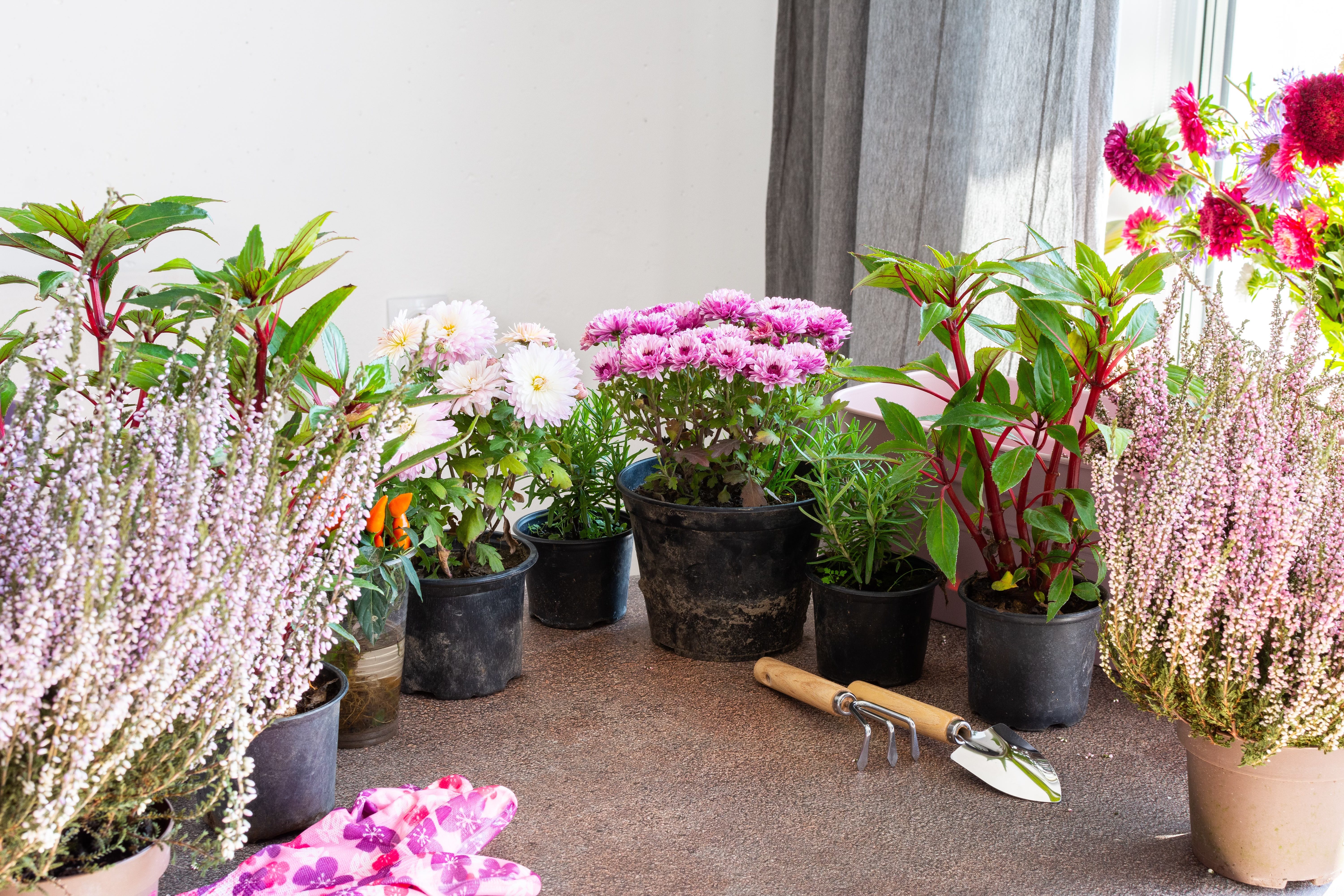
There’s a bit of horticultural folk wisdom offered to those who feel that their life circumstances may not be ideal: bloom where you are planted. Most of us find that our lives have some sort of constraint: perhaps a physical constraint (like my daughter, who lived 26 of her 29 years confined to a wheelchair), or a limitation of ability or personality or resources. And while much of life’s adventure involves doing what we can to make the most of what we’ve got, some things are beyond our ability to fix or change. So do we give in to despair — or do we do our best to bloom where we are planted?
The Mystery-with-a-capital-M is a stark reminder that we cannot truly understand, or manage, or control, the pure weirdness of being alive. We didn’t ask to be born (or if we did, it pretty much is forgotten) and we don’t get to vote against the losses we will experience, including aging, sickness, and the most unavoidable of all: death.
Do we retreat into fundamentalist religion or bitter, cynical nihilism, to name two of our most common, if ineffective, strategies for attempting to control our experience of the mystery? Or — bloom where you are planted — can we somehow find a way to integrate the faith of religious devotion with the radical unknowing of both the best science and the best mysticism?
That’s what I think radical mysticism ultimately is: the commitment to bloom where we are planted, rooted in the Mystery. Debonee and I love to talk about mysticism on the edge, or the topics that some spiritually-minded people find hard to talk about: like gender and sexuality and psychedelics and politics. Yes, that’s all radical mysticism too. But it gets its radicalness from being rooted, and its mystical-ness (is that a word?) from being rooted in Mystery. So that, it seems to be, is really the heart of it all.
In the last two months the number of subscribers to this Substack has doubled. We ponder this with gratitude and humility. Thank you for being interested enough in this hard-to-define topic to get emails from us! We hope they are worthy of the time you spend reading them. But most important of all, thank you for your being rooted in the Mystery. I hope we can all get to know each other, as much as a medium like Substack will allow. May our respective immersion in the Mystery bring support and nurture to each other… and therefore, to the world.
Spot on, as always, Skye!!